(not) enough: SAMPLE CHAPTERS

chapter twenty-one

The first night I spent in the maternity ward was the loneliest night of my life. It felt like being locked in a prison cell, a psychiatric ward, and a hospital room all at the same time.

On arrival, I was told that I was entitled to a free hospital dinner every night of my stay. I was given instructions on how to get to the kitchen to collect it, and a sheet of bar-coded stickers to trade in for my aluminium tray every evening. I wasn’t even remotely hungry, but at the designated time, I obediently limped to the lifts, my bright red visitor lanyard and key card hanging around my neck.

I had no idea where I was going – the hospital was a labyrinth. These days, I know the place like the back of my hand, and I don’t know if that should make me feel proud or sad.

I found the kitchen, eventually. They told me I was too late – through my tear-blurred eyes, I’d misread the collection time on my information sheet. I guess I cut a pretty pathetic figure, because the clerk’s face softened, and he asked me to wait a minute. He came back from the kitchen with a few leftover sandwiches from the lunch run. They looked revolting.

By that time, it was eerily quiet in the hospital. Most of the staff, visitors, and day patients had gone home. I shuffled through the empty corridors in the silky, teal dressing gown that mum had bought for me, stained in snot and tears, swiping my pass at each locked door, until I finally reached the maternity ward.

I walked in through the common room. The lights were off, and the curtains were drawn. The little red light blinking on the TV was the only sign of life.

The communal kitchen had bottomless loaves of bread for the ward residents, as well as all the jam, butter, tea, coffee, and milk you could need. But there was no toaster. Many years back, an unsuspecting new parent had forgotten about their toast and the toaster had erupted in flames, almost burning the kitchen down.

They confiscated the toaster and replaced it with a sandwich press. You want toast now? You make it in that.

I unpacked my sad lunch leftover sandwiches and smeared a bit of butter on them. I threw it into the sandwich press and hoped that would revive it a little. It did not.

I filled my water bottle at the sink and tapped my pass once again at the large double doors. They made a loud beep and swung open with an even louder clunk into the dark corridor. The only light came from the tiny, frosted windows cut into each of the four doors. I couldn’t hear any crying, which was equal parts comforting and disconcerting.

Back in my room for the night, I called Luke to check in. He sounded so tired. I ate a small piece of chocolate I’d bought earlier. At least I think I bought it earlier. I don’t remember buying it, but how else would it have gotten there? I brushed my teeth and looked at (and ignored) the text messages that were accumulating on my phone. Other than our immediate families, no one knew Jasper had been born, yet. I turned on the hospital-issue TV that played the sound through a tiny speaker in the remote. And I sat on the edge of the bed and stared blankly at the wall.

I couldn’t understand how I’d gotten there. A few days ago, we were going to have a baby, spend a few nights in the hospital, go home, and get on with it. Instead, my baby was two days old, and I’d barely touched him. Within the past ten hours, he’d undergone an x-ray on his chest and another on his neck, tests checking his liver function and levels of his calcium, magnesium, phosphate, sodium, chloride, and creatine, and a full blood count. Not to mention several changes of his breathing and feeding tubes. These tests and procedures would all become a very routine part of our lives over the following months.

Instead of joining us to meet our family and friends, our baby would spend the foreseeable future in the hospital. Instead of dressing him up in the cute little clothes we’d bought him, he’d be wearing tubes and monitors. Instead of feeding him his bottle in the rocking chair we’d bought, he’d be fed through a tube that went in through his tiny nostril and down into his stomach. Instead of holding him and rocking him and singing to him when he woke up crying in the middle of the night, he’d be comforted by the nurses; strangers.

Logically, we knew it had to be done. Sacrificing a few months of not having Jasper home with us to get him the medical treatment he needed to live a long, happy, healthy life was a no-brainer. That didn’t make it hurt any less. We expected to be walking out of the hospital, hand in hand, grinning like idiots, with our baby boy in his capsule ready to come home. Instead, we were up for years of hospital visits, check-ups, and operations. We’d been assured that at the end of it all, he’d be just another perfectly normal little boy. But until then, we were going to be hurting. We would feel guilty for every minute we didn’t spend at the hospital by his side, we’d feel incredible anger that our little boy would have to go through so much pain, and we’d feel violently hurt by everything we’d just been robbed of.

There wasn’t a shadow of a doubt that he’d be in good hands. They just weren’t our hands. And with that thought, I cried so hard I shook until I passed out into a fitful sleep.

chapter twenty-two

When I woke up the following morning, I remembered I had to check in with the midwife before 10:00 am. I felt sick from the violent crying, so breakfast was out of the question. I dragged myself out of my hospital bed and into the bathroom. With an episiotomy wound only two and a half days old, sitting down to pee wasn’t the most fun way to start the day.

It was a long process, but I eventually got myself dressed, cleaned up, and moving. I was relieved not to see anyone else in the shared kitchen as I limped through the doors and down the hall to the midwife’s office.

It was hard not to be a little timid, knocking on Joan’s door in the early hours of the morning. She was an imposing figure – tall and stout, with short cropped brown hair, a booming voice with a heavy English accent, and arms covered in colourful tattoos. I shook my head, bit my lip, and knocked as quietly as I could.

I heard her chair groan before the door swung open.

“Jesus, have bloody a look at ya! Had a baby not three days ago and you still look bloody gorgeous! Put me to shame, you ladies do! Well come in then, let’s get you a seat.”

Joan saw right through my pathetic half-baked smile but never drew any attention to it with pity. Having transferred to the maternity unit in RCH meant I had forfeited the excellent post-natal care I should have received at the lovely private hospital where I gave birth. How lucky I was that Joan was my consolation prize.

After the usual “how are you feeling?” questions and my forced “I’m fine” replies, she told me it was time to check my episiotomy stitches. I’d checked my modesty at the door when I went into labour, so I obediently hobbled over to the low hospital bed in the corner of the room, lay down on the stiff white sheet, and shuffled out of my shorts so this woman I’d only just met could examine my vagina. Joan closed the curtain, turned on her lamp, and lowered herself with a groan onto her stool at the foot of the bed.

“Oh… fuck me…”

That can’t be good.

“Am I okay?”

Joan looked up at me, her face an unreadable mixture of awe and horror. “Well, whoever stitched you up has done a bloody brilliant job. Best stitch job I reckon I’ve seen.”

“But…?”

“But… Jesus Christ, you’re bruised black and purple halfway down your thighs, I’ve never seen bruising this bad… have you looked yet? It’s incredible!”

“No, I have not, and I’m not sure I really want to.” There was an enormous, full-length mirror in my room’s ensuite that I had to contend with when I showered, and I went to great pains to avoid it. I already felt like roadkill – I didn’t need to see the actual evidence. 

I finished up with Joan and went back to my room to tidy up before heading up to the NICU ward for the day. Pulling my dirty hair back into a ponytail over the sink, Joan’s words popped back into my head. Damnit. Now that she’d put the image in my mind, I had to know. I gingerly stripped off my clothes, hanging them off the edge of the sink, until I was naked. I looked up at the mirror and didn’t recognise the woman staring back.

My face was red and puffy from the two and a half straight days of crying; my eyelids were almost swollen shut. My usually rosy, freckled cheeks were pale and sickly looking. My shiny auburn hair was dirty and matted with sweat. My stomach, where Jasper had grown and lived for thirty-eight weeks, was a deflated balloon of flesh. My baby wasn’t in there anymore, but he wasn’t there in my arms, either. I hesitated before I looked down any lower, but curiosity got the better of me, as it often does.

Joan wasn’t kidding – my inner thighs were an incredible shade of inky purple and black. No wonder I could barely walk. I had no idea who this person was staring back at me – she wasn’t even a person, anymore; she was a shadow. I turned on the shower and grabbed the handrails to hold myself up while the steam fogged the mirror enough to obscure my reflection. I pulled the crappy plastic hospital-grade shower curtain closed anyway, just to be safe, and the tears started to fall again, hard and fast. Better here than up in the ward where the nurses can see me, I figured.

(not) enough: a memoir

(not) enough

a memoir of motherhood, mental health, and making it through


AVAILABLE NOW!

Purchase paperback

Purchase eBook

______________________________________________

Read it? Review it on Goodreads and help other families find it!

About the Book

Navigating the NICU as a first-time mother with a sick baby is enough to test anyone. But doing it while juggling mental illness, an identity crisis, and a global pandemic is a completely different beast.

Jess seemed to have it all together: a husband, a house, a job, a passport full of stamps, and a baby on the way. But beneath the surface, anxiety and depression left her at the mercy of her emotions, and with no idea who she really was – feelings that only intensified with pending motherhood.

When her son is born with a rare medical condition, Jess’s already shaky grasp on her thoughts and feelings was stripped away, leaving her more vulnerable than ever.  As her visions of motherhood crumbled through the months of her son’s hospital stay, subsequent surgeries, and a global pandemic, she found herself wondering if her family would ultimately be better off without her.

For everyone who has ever doubted their strength as a mother, ever searched for their true self, ever battled the constant weight of mental illness and self-worth in the face of an unforgiving and judgmental society… (not) enough is an unflinching memoir about resilience, love, and redefining identity in the middle of a perfect storm.

• • • • •

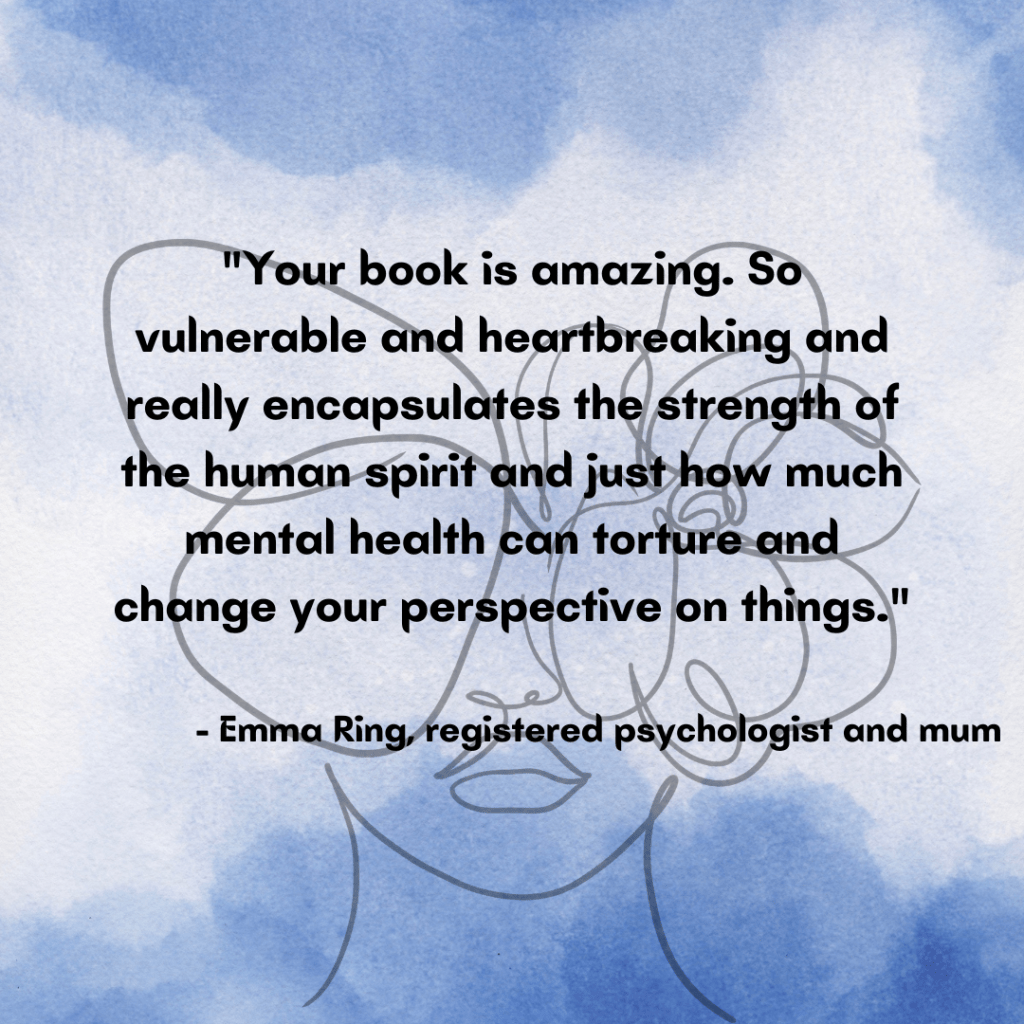
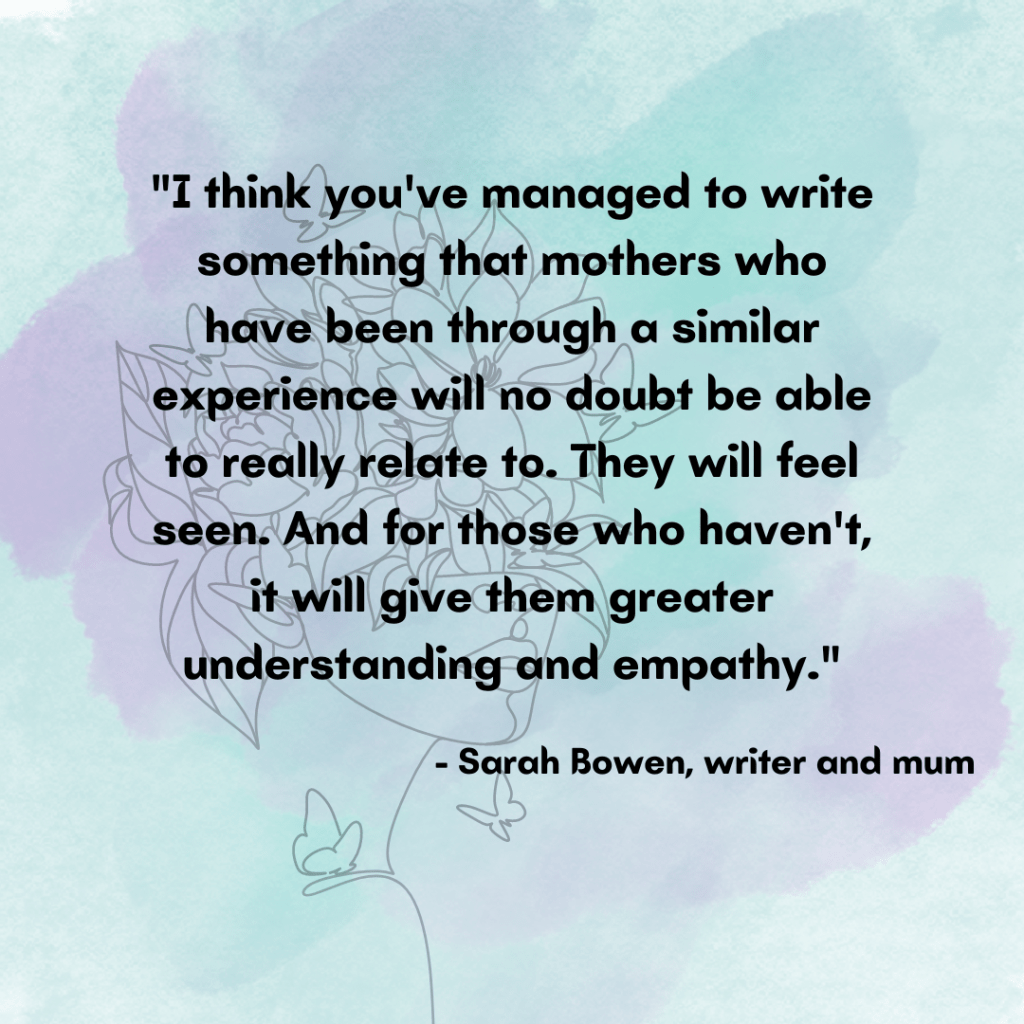
PRAISE FOR (not) enough

• • • • •

Interested in finding out a little more?

Here’s a sample chapter 😊

• • • • •

Book Details:

  • Categories: Memoir, Mental Health, Motherhood, NICU
  • # of Pages: 262
  • ISBN
    • Paperback: 978-0-6458518-1-6
    • eBook: 978-0-6458518-0-9
  • Publish Date:  2 September 2023
  • Language English

• • • • •

Mummy, Is Your Brain Okay?

Mummy, Is Your Brain Okay?

Written by Jess Carey
Illustrated by Rebecca Mignone


AVAILABLE NOW!

Purchase via Blurb for delivery worldwide!


Read it? Review it on Goodreads and help other families find it!


About the Book

Everyone feels sick, sometimes.
Brains feel sick, too. Like my mummy’s brain.
And when mummy’s brain is sick,
it can do some strange things…

A visual journey of a mum’s mind through a child’s eyes, Mummy, Is Your Brain Okay? gently explains the difficult and unwelcome effects of mental illness.

Mental illness can be quite a difficult concept for a child to grasp – they can’t see inside someone’s head, after all! And with research estimating that 20% of mothers experience postnatal depression(1), and almost a quarter of Australian children have a parent with non-substance mental illness(2), it’s something we need to be able to talk about with our children. The good news is that research has indicated that children can actually build their resilience when they understand their parent’s mental illness(3).

Mummy, Is Your Brain Okay? was designed to help children understand some of the things that can happen when their parent has a mental illness, that they can’t necessarily control (from cereal dinners because the groceries were forgotten to hospitalisation). But more importantly, it was written to show that a parent’s mental illness is in no way their child’s fault or responsibility.

In removing the stigma of mental illness by talking about it with our children, we can empower parents to take better care of themselves. And we can remind children they are still very loved, while giving them an understanding of the world around them that they so crave.


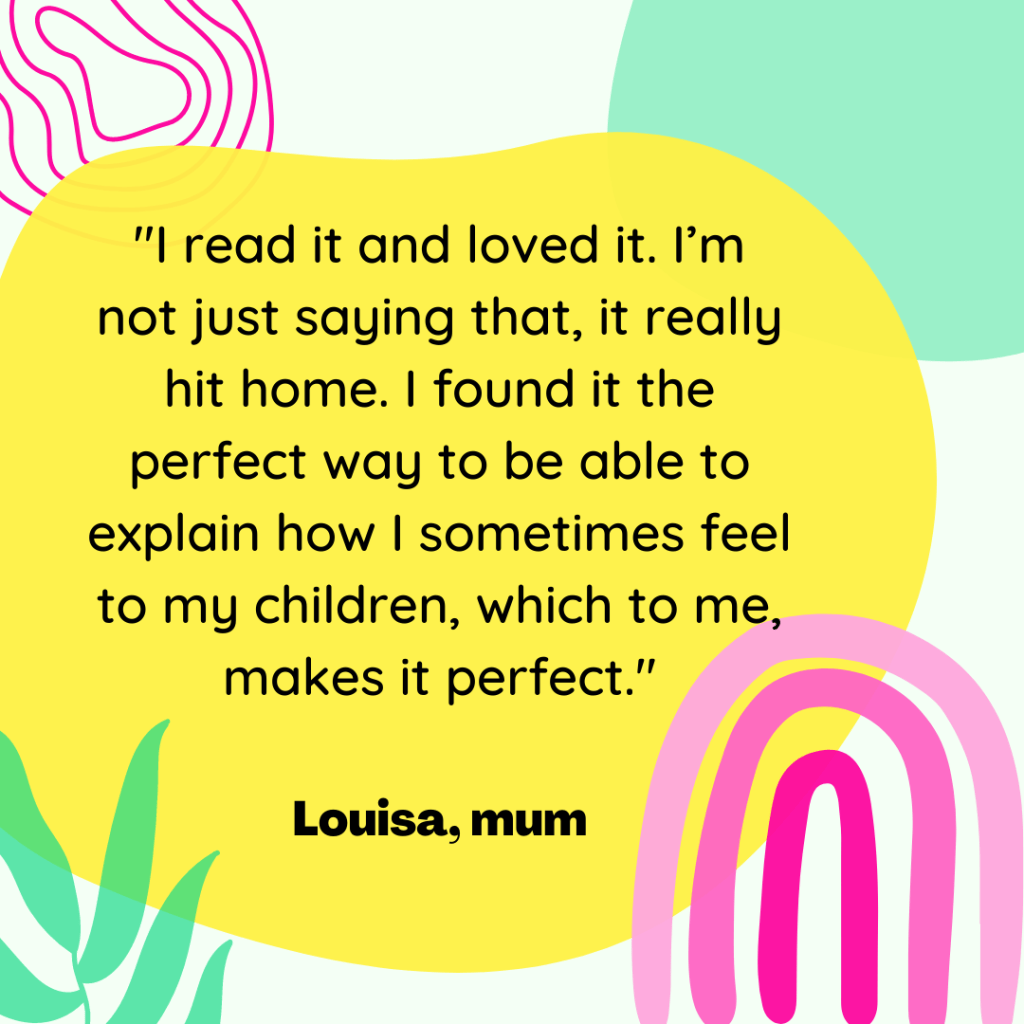
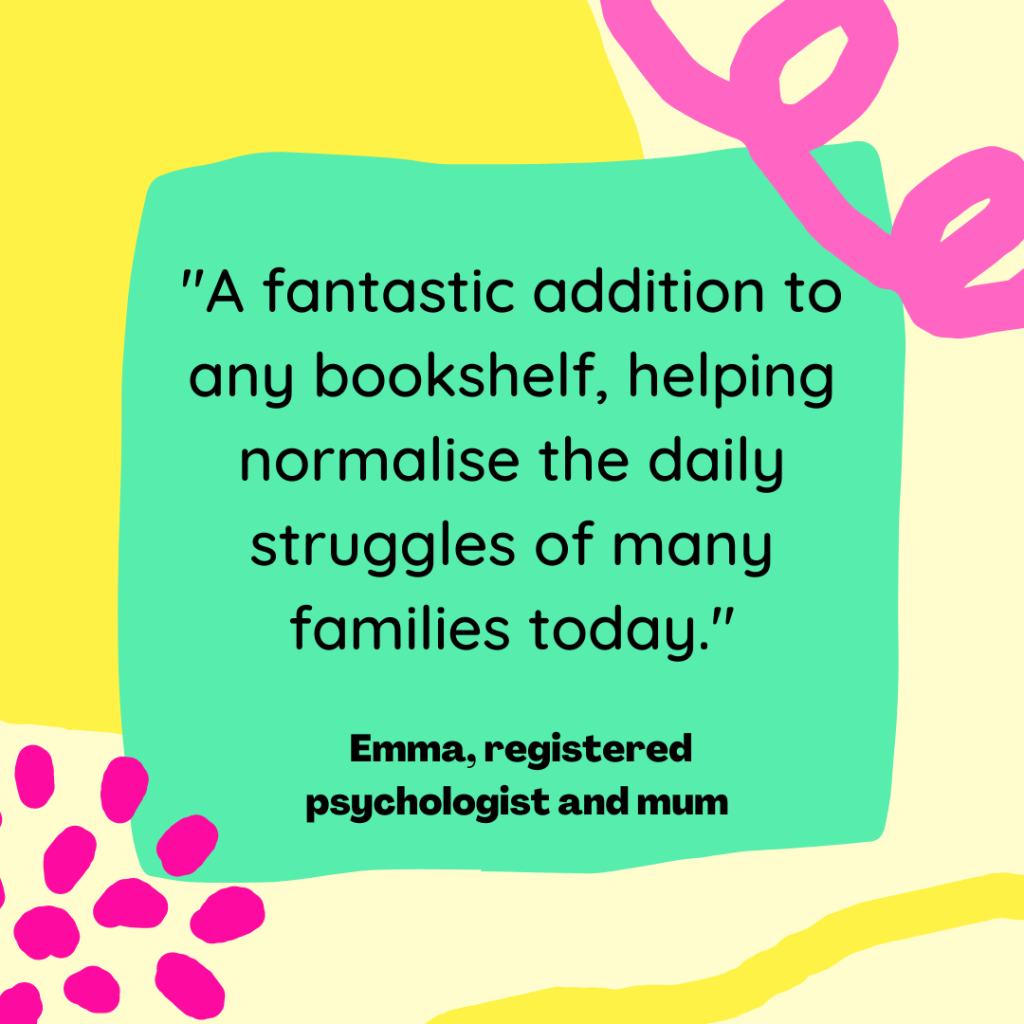
PRAISE FOR Mummy, Is Your Brain Okay?


Book Details:

  • Categories: Picture books, Children, Mental illness
  • # of Pages: 32
  • ISBN: 9798210344182
  • Language English

1. Australian Institute of Health and Welfare. (2012). Perinatal depression: data from the 2010 Australian National Infant Feeding Survey. Canberra: AIHW.
2. Maybery, D., Reupert, A., Patrick, K., Goodyear, M., & Crase, L. (2009). Prevalence of parental mental illness in Australian families. Psychiatric Bulletin, 33(1), 22-26.
3. Beardslee W, Podoresfsky D (1998) Resilient adolescents whose parents have serious effective and other psychiatric disorders: Importance of self-understanding and relationships. The American Journal of Psychiatry 145:63–9. as cited in RANZCP Position Statement 56: Children of parents with mental illness. Published May 2016.

MELBOURNE: 263 Days in Lockdown

MELBOURNE: 263 Days in Lockdown

thoughts, images & headlines from two years of COVID in the world’s most locked down city.

Available now in paperback for delivery worldwide.


As featured on the Melbourne City of Literature READING MELBOURNE book list

Read it? Review it on Goodreads and help others find it!


About the Book

We all have different ways of finding meaning in chaotic times. Me? I write. So it was only natural that, when COVID hit Melbourne, I turned to my pen.

News outlets around the world reported on Melbourne’s strict and long-lasting COVID lockdown measures. People either praised our efforts to stop the spread, or mocked us as blind, dumb sheep. Regardless of their stance, though, it was impossible to ignore the fact that life in Melbourne had become extraordinarily difficult.

This book is a collection of my journal entries and photos throughout the first two years of the pandemic, along with news headlines from around the world, Melbourne’s lockdown guidelines, and case number statistics. Things that I thought might be interesting to look back on and show my son when (if) life returns to some semblance of normal. While my rants felt so personal when I wrote them, I looked back and realised that anyone in my position could have written about the frustration, exhaustion, loss of freedom and constant fear I felt.

Everyone has experienced this pandemic differently – this collection is nothing more than an account of my own thoughts and feelings during a very unprecedented time. A collection which helped me to process it a little. Maybe it will help you process some of it, too.


PRAISE FOR MELBOURNE: 263 Days in Lockdown

“Jess’s account of 263 days in Lockdown hit straight to the rawness we all felt as we navigated the pandemic. As a Melburnian, I related to so much of what Jess documented. It’s a fabulous compilation that tracks the progression of Covid-19 throughout the world via global headlines, data sources and political messages, however it’s Jess’s personal entries and photos that make this book unique. The pandemic is a chapter in history that we will always hold with a strange mix of fear and gratitude and Jess has captured it so effectively here. “
— KYLIE ORR, author of Someone Else’s Child

“What a wonderful read. 263 Days in Lockdown is an insightful, honest and funny read, which takes me back to every moment of experiencing Victoria’s challenging lockdown. As a fellow mother who raised a toddler during the COVID pandemic, I really related to this book and felt every challenge and emotion along the way. Jess Carey is a talented young writer and one to watch. This will be a great book to remember the challenges of the last couple of years which are communicated so honestly and factually. I look forward to sharing it with my son one day “
— LISA HOLMEN, writer, photographer, marketing whiz, and mum

“At times, it feels like it all happened just yesterday. You remind us not to take those little things in life for granted. The coffee dates, swim lessons, seeing friends and family, travel and the list goes on…”
— BONNY, Melburnian and new dad

• • • • •

Book Details:

  • Categories: COVID-19, Pandemic, Australia, Melbourne, Memoir
  • # of Pages: 216
  • ISBN: 9798210125354
  • Publish Date: 15 March 2022
  • Language English

Duck-egg blue

Entrant in the 2020 YPRL Booklovers Festival Flash Fiction Competition.


She put the rusty car in park, opened the door and swung her feet out as she slung the worn straps of her handbag over her shoulder. Shaking her hair out to cover the old bag straps, she took a deep breath, threw her shoulders back, and strode purposefully towards the front door. She smiled back at the real estate agent waiting on the porch.

“Back again! I take that to mean you’re interested?” “Oh, yes,” she said. “I have to have it.”
The agent laughed, not realising how serious she was.

Her black heels clicked over the shiny floorboard as she crossed the lounge to the kitchen. She ran a perfectly manicured red nail over the grey marble bench top, looking longingly at the duck-egg blue walls and bay windows. She had to have this house.

As she stepped towards the laundry, her phone rang. “I’m so sorry, I have to take this: it’s my doctor.” “That’s no problem, I’ll just step outside a moment.”

She turned her back to the agent, and answered the call. She fell silent, nodding wordlessly, although Dr Hartman obviously couldn’t see her.
“Do you understand what I’m telling you Rachel? You only have twenty four hours… I’m so sorry I had to tell you like this, but there simply wasn’t time… Rachel…?”
“Yes. Yes, thank you Dr Hartman, I understand, I have to go…”

She slid the phone back into her bag and made her way to the front door.
“Thank you, Marcie. I’ll be in touch.”
“Oh, Mrs Calloway, I’ve just come off the phone with the vendor. They’ve just received an offer, and have given me twenty four hours to take any others to them before they accept it… Mrs Calloway?”

She didn’t hear; she was already at her car.
She drove, fast, all the way home. Then she drank the fancy wine she’d been saving, the whole bottle, and fell asleep on the couch.

–   –   –

She woke to the vibration of her phone. Eight missed calls. She answered: Dr Hartman. With the little vial she needed to ensure her survival. She jumped up, threw on her shoes and grabbed her keys – she only had three hours and the clinic was almost two hours away. She threw the car into reverse and flew down the driveway. The phone rang again just as she approached the freeway. Marcie. The house. Shit.

“Mrs Calloway, I’ve been trying to reach you all morning. The vendors are ready to accept the offer and I hadn’t heard from you. If you still want it, I need a figure, and I need you at the house in the next hour to sign the contracts. Mrs Calloway? Are you there?”

She had to have that house. It had to be signed back under her name, even if she’d never live in it again. She swerved out of the freeway entrance lane, spinning the car in a very illegal turn across four lanes, and sped towards the house.

“Marcie, tell them $1.2 million. I’ll be there in 45 minutes.”

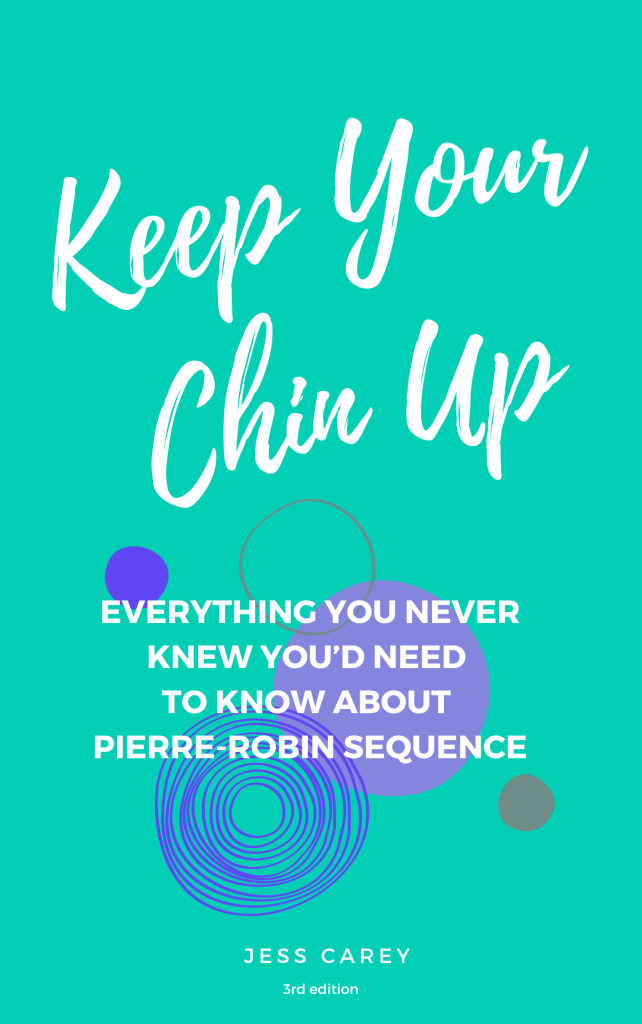
Keep Your Chin Up

Keep Your Chin Up

Everything You Never Knew You’d Need To Know About Pierre-Robin Sequence

Available now:

Purchase paperback

Purchase eBook


Read it? Review it on Goodreads and help other PRS families find it!

About the Book

So you’ve been told that your new baby has a medical condition called Pierre-Robin Sequence. OK. I know you’re scared right now, because I’ve been there. Finding helpful information online was almost impossible, which only made it scarier. That’s I why I wrote this book.

Within, you’ll find many of the questions we searched for answers to when our son was first diagnosed – how will this affect his development? What difficulties will we have with feeding? What treatment options are there? How will his time in NICU affect him long term? With research drawn from over 150 medical sources, photos, and interview with more than twenty PRS families, and my own personal journal entries from birth to NICU and beyond, this is a guide to PRS written for parents, by a parent.

• • • • •

PRAISE FOR KEEP YOUR CHIN UP


If you just found out your newborn has PRS, read this book! It provides an extensive and thorough understanding of PRS without being overwhelming, while also providing relatable insight into the experiences you may have as a parent of a newborn with PRS while the NICU. This helpful guide is written by a mother who has lived it herself, and wants to help others by providing an easy to read educational tool. I absolutely wish I had something like this book for support and guidance when I was in the NICU with my PRS newborn!
– Shannon, PRS mom, USA

This book is what every parent with Pierre Robin Sequence should be presented with upon diagnosis. The book gives the options parents may be presented with surgeries to help their child, with ideas for families to mention to their providers, with real life results. It is so helpful to see other families’ progress and healing.
– Kelly, PRS mom, USA

This book is exactly what new PRS parents and families need to read. If only this was out when we first found out about PRS! Showing your own journey and providing all details, even the frustrating ones is exactly what is needed.
– Kiera, PRS mom, Canada

• • • • •

Book Details: 3rd Edition

  • Categories: Medicine & Science, Parenting, Baby, Paediatrics
  • # of Pages: 242
  • ISBN
    • Paperback: 978-0-6458518-3-0
    • eBook: 978-0-6458518-2-3 
  • Publish Date: October 2023
  • Language English